
CM Prem Singh Tamang to Chair Stakeholders' Meet on Online Single Window Integrated Permit System

Chief Minister Prem Singh Tamang will chair a stakeholders' consultative meeting on the Online Single Window Integrated Permit System today at Manan Kendra, Gangtok, bringing together key voices from the tourism sector to discuss a proposal that has already stirred political debate.
The meeting is being organised by the Department of Tourism and Civil Aviation to discuss the proposed integrated online permit system and seek inputs from relevant stakeholders for its effective implementation. Officials from the department, along with representatives of the travel and tourism trade, are expected to attend the consultation.
What the Consultation Aims to Address
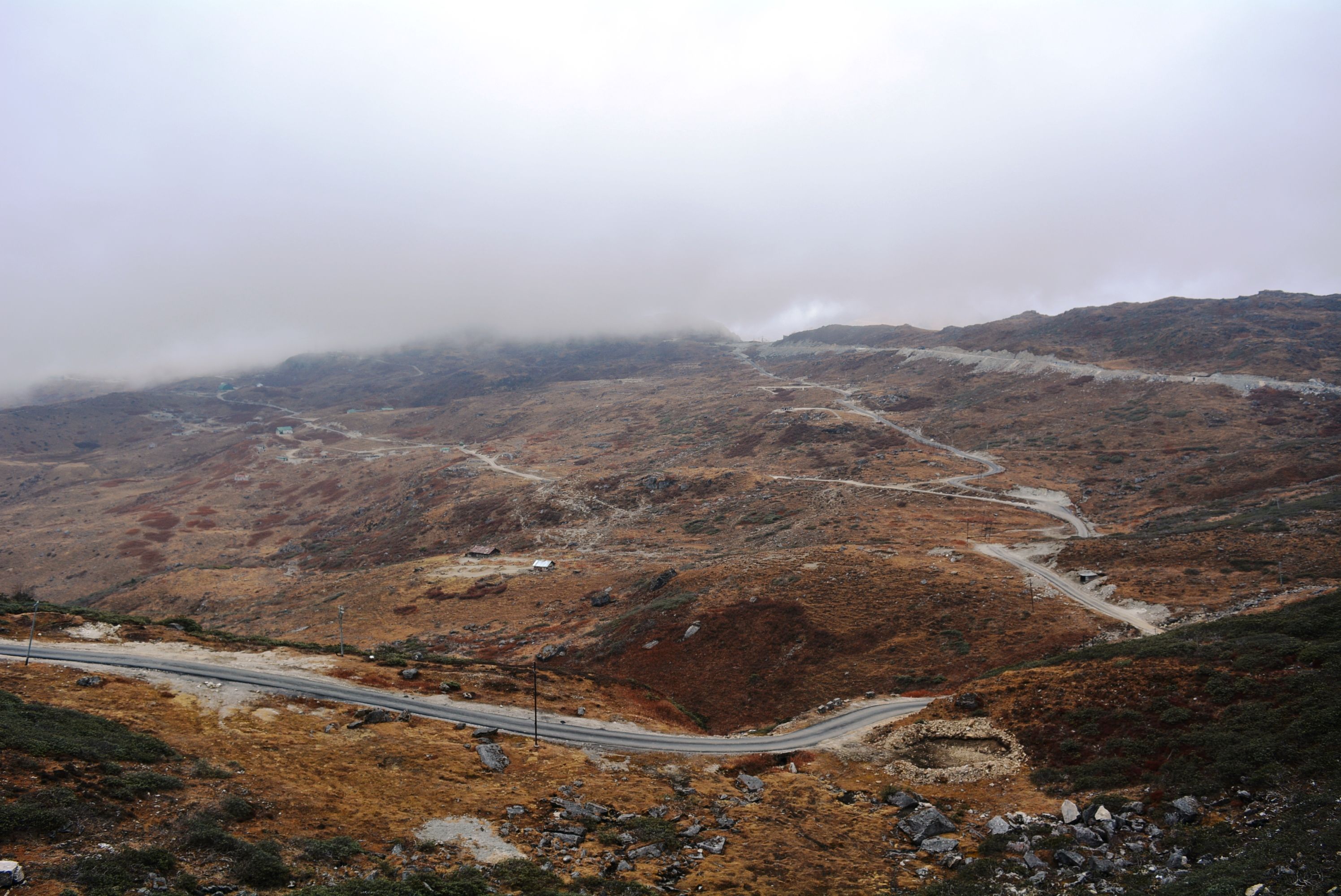
The consultation is expected to bring together key stakeholders to deliberate and discuss streamlining the permit process, improving coordination among concerned agencies, and facilitating a more efficient and transparent system for visitors and service providers. Sikkim's tourism economy depends heavily on Inner Line Permits and Protected/Restricted Area Permits for destinations such as Nathula Pass, Tsomgo Lake, Yumthang Valley, and other border-adjacent locations, and the department has maintained that a single-window digital process would cut down on paperwork, reduce delays for tourists, and bring greater accountability to how permits are issued and tracked.
The move builds on the state government's broader push in recent months to move Sikkim's permit regime online, including discontinuing physical Protected Area Permits and Restricted Area Permits for foreign nationals in favour of digital clearance, and plans for an AI-assisted system that would use geofencing, restrict permit generation to Sikkim-registered travel agencies, and automate validations and notifications for tourists heading into restricted zones.
Political Parties Question the Outsourcing Decision
However, the run-up to the consultation has not been without friction. Some political parties have raised objections over the reported decision to outsource the operation of the permit system to a company based outside Sikkim. The parties have questioned the rationale behind engaging an out-of-state private company for a system involving tourism-related permits, arguing that greater clarity is needed on the selection process, transparency, data security, and the role of local stakeholders.
The objections come against the backdrop of a wider debate that opposition parties have kept alive in recent months over the state's permit revenue and administration, including questions raised over accounting of funds collected through Nathula permit fees and the proposed shift to a vehicle-based fee structure. Critics have argued that before a new system is rolled out, the government should first address existing gaps in transparency around permit collections, and have flagged concerns that awarding operations to an external company could limit oversight by local stakeholders and travel trade bodies who have long been part of Sikkim's permit ecosystem.

Government's Case for a Digital-First System
The Tourism and Civil Aviation Department has maintained that moving to a single-window online platform is intended to modernise tourism operations, improve ease of doing business for local operators, prevent misuse by unauthorised agents, and protect the interests of local stakeholders by keeping permit generation tied to registered Sikkim-based travel agencies. Officials have also pointed to faster processing, standardised fee structures, and better real-time tracking of tourist movement in ecologically and strategically sensitive border areas as key benefits of the new system.

What Happens Next
With the Chief Minister himself chairing today's session, the consultation is being seen as an attempt by the government to directly engage stakeholders and address concerns before the integrated permit system is finalised and rolled out. Inputs gathered at the meeting are expected to feed into the final design of the platform, including how coordination between the Tourism Department, district administrations, security agencies, and travel operators will be structured once the system goes live.
Whether the meeting also addresses the specific objections raised over outsourcing the system's operation to an out-of-state company remains to be seen. Political parties opposed to the move have indicated they will continue to press the government for clarity on the selection process and data security safeguards, even as the administration pushes ahead with its digital-first tourism agenda.